Table Of Content
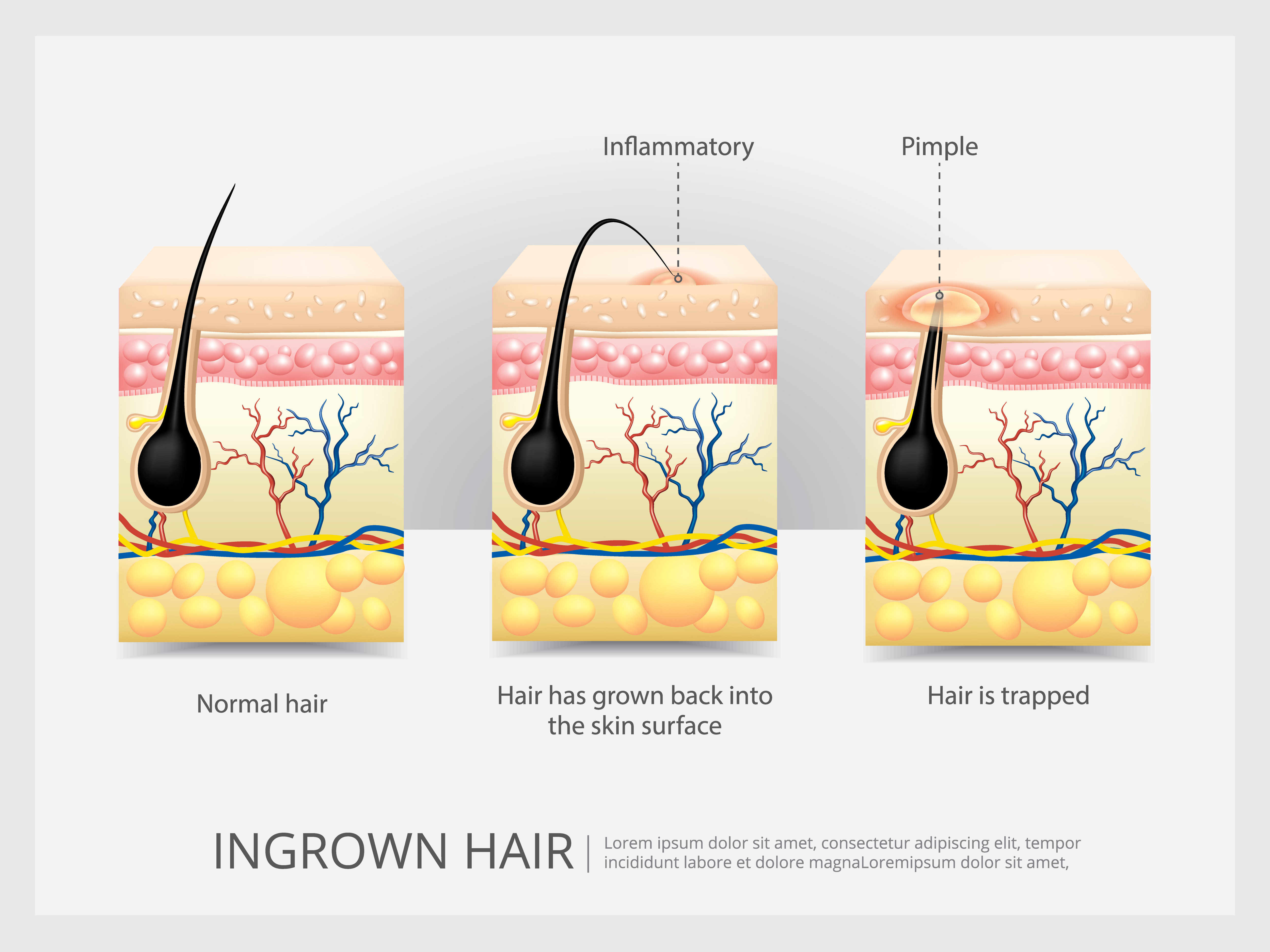
Most ingrown hairs will go away on their own without treatment after a few days; though, severe cases may take several weeks. Anyone who shaves, tweezes or waxes their hair can develop ingrown hairs. If you shave often, you’re more likely to have ingrown hairs. You should also never attempt to dig an ingrown hair out from under your skin, even if you clearly see it underneath the skin surface, Change says. Ingrown hairs should only be removed by your dermatologist in-office using a sterile needle or scalpel. It’s not a good idea to pop or squeeze an ingrown hair cyst, as you can introduce bacteria that can cause an infection.
Mario Badescu Drying Lotion
These unsightly bumps can be an annoying side effect of hair removal. The good news is ingrown hairs can be treated effectively at home. Infected ingrown hairs can be uncomfortable, but most clear up on their own in 7–10 days with good hygiene.
Do home remedies for ingrown hairs work?
As the infection progresses, you may see pus, and the bump may grow larger. Typically, new hair grows straight out of the follicles in the skin. As the hair matures, it exits the skin’s surface and continues to grow. But sometimes, the hair grows crooked or curls back under before it has a chance to exit the skin.
Health
It also absorbs into my skin quickly, so I can layer other products on top of it, like moisturizer . While the exfoliant is mainly meant for your face and neck, you can also apply it to other parts of the body post-shave. To recommend the below ingrown hair treatments, we chose products that dermatologists recommend, we’ve used ourselves or are highly rated and meet expert shopping guidance.
Ingrown Hair Treatment: Causes, Prevention, and More - Health.com
Ingrown Hair Treatment: Causes, Prevention, and More.
Posted: Tue, 24 Oct 2023 07:00:00 GMT [source]
An ingrown hair occurs in about one in four cases of people who experience a complication when removing pubic hair. If an infection develops and worsens, you may need medical treatment. If ingrown hair infections recur or are severe, you may have an underlying condition that needs medical treatment. In chronic or inadequately treated situations, post-inflammatory hyperpigmentation, scarring, and rare keloid formation may occur. This skin condition is mostly seen in darker skin or African skin with facial hair because of the curvature of these patients' hair follicles. Rarely, ingrown hair may also appear in other skin parts, such as the eyelid or thighs.
ACD A-Z of Skin - Folliculitis
Since you may be looking to prevent ingrown hair on your face, body or both, we note which area each product is meant for. An ingrown hair is one that curls back into the skin after shaving or plucking, causing an inflamed bump. Ingrown hairs are common in the beard area as well as the armpits, legs, and pubic area. You can also try other hair removal methods that are less likely to lead to ingrown hairs. Those include creams that dissolve hair and a laser or electric current (electrolysis) to remove the hair follicle for good.
To prevent scarring or infection, don’t pick at, scratch or pop your ingrown hairs. If your symptoms don’t improve, your healthcare provider may need to prescribe medications that decrease inflammation and improve infections. You’re also more likely to have ingrown hair if you have skin of color or thick, coarse or curly hair. This fragrance-free tonic is a salicylic acid spot treatment you can apply to ingrowns and it goes on clear, so it’s a great option to use during the day. You apply the product using the rollerball, allowing you to target the ingrown without touching skin and potentially transferring bacteria from your hands to the affected area. The tonic has a 4.5-star average rating from 323 reviews at Sephora.
If the bumps or cysts become extremely bothersome — or if they aren’t fading — see a healthcare professional or dermatologist. An ingrown hair occurs when the hair grows back into your skin, causing the area to become red, swollen and itchy. They happen when the skin blocks the emergence of a hair from the follicle, or when a hair grows back into the skin.
Though ingrown hairs are generally not serious, they can cause small, pus-filled bumps that become infected if the skin is irritated, as with constant rubbing or friction. Pseudofolliculitis barbae doesn’t always require the help of a healthcare provider. If your ingrown hairs bother you or keep coming back, reach out to a board-certified dermatologist to discuss how you can prevent them or treat related symptoms. If you continue having infected ingrown hairs in the same area, such as your face, you might consider other methods of hair removal, such as laser treatment. An ingrown hair happens when the sharp tip of the hair curls back or grows sideways into the skin of the hair follicle.
They may recommend a more permanent hair removal method, like laser hair removal or electrolysis, she says. And if you develop a red bump and are unsure about its diagnosis, see a medical professional before attempting to treat or diagnose it at home. After you shave, apply a product made with BHAs to close the hair follicles that opened after being exposed to warm water, Weinstein says. Doing so prevents bacteria or dirt from getting into the follicles. This chemical exfoliant from Paula’s Choice has salicylic acid (a BHA) and green tea extract to calm redness, according to the brand. The formula is lightweight and feels refreshing on my skin when I apply it using a cotton pad.
If you have more severe symptoms or widespread razor bumps, it’s better to wait for the condition to resolve on its own or reach out to a healthcare provider. While anyone can develop pseudofolliculitis barbae, the condition is particularly common among people with coarse or curly hair. Black and Asian men often develop ingrown hairs on the beard area of the face and neck. An ingrown hair can become infected and treatment may require topical or even oral antibiotics.
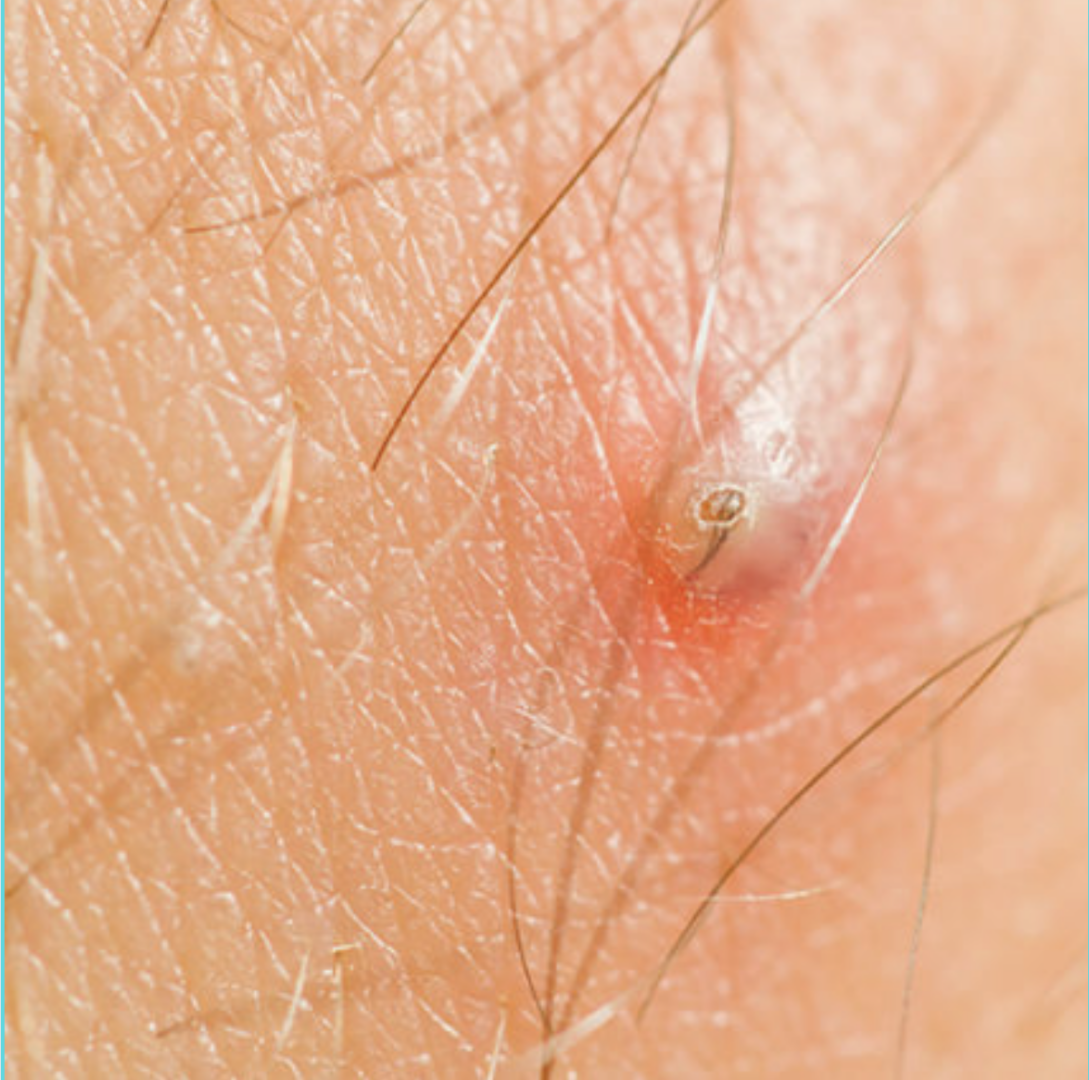
Apply rubbing alcohol to your surrounding skin to prevent an infection. Then, carefully thread the sterile needle, pin or tweezers through the exposed hair loop. Gently lift the hair loop until one end releases from your skin. An ingrown hair looks like a raised, discolored spot on your skin. It’s a strand of hair that grows back into your skin after shaving, tweezing or waxing.
You can get ingrown hairs on any hair-bearing region of the body, Chang says. The wash has a jelly consistency when it comes out of the pump, but it gets foamy as you massage it into your skin with your fingers or a facial cleansing brush, in my experience. The face wash helps eliminate oil buildup on skin and unclogs pores, according to the brand. Treatment for ingrown hair cysts varies depending on the type of cyst involved.
It is a benign condition, which usually appears as a small tan or sometimes pink bump under the skin. Often, a small pinpoint (often dark) part of the underlying hair may be seen under the skin bump. In severe cases, multiple small red or pink bumps at hair follicles may be seen on any skin area that normally grows hair. If your ingrown hairs aren’t going away with at-home treatments and a good skincare routine, or if you’re ingrown hairs become infected, call your healthcare provider. To recommend products that help prevent ingrown hairs, we chose options dermatologists recommend or ones we’ve used ourselves and meet expert shopping guidance.


No comments:
Post a Comment